In this episode, Ricardo explores Albert Hirschman’s Hiding Hand Principle, which suggests that we often underestimate both the difficulties of a project and our ability to develop creative solutions when problems arise. In contrast, Bent Flyvbjerg’s research identified the Malevolent Hiding Hand, where costs are underestimated, and benefits overestimated, without creativity being enough to rescue the project.
In this episode, Ricardo digs into the uncanny world of zombie projects - the projects that refuse to die despite their draining effects on organizational resources. He explores the mystery behind their existence, highlighting factors such as the fear of failure and the misgivings around abandoning sunk costs.
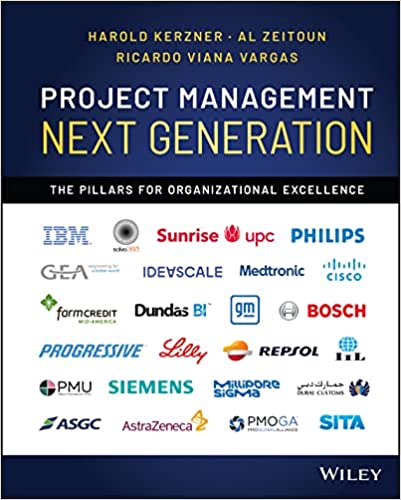
Ricardo Vargas, in partnership with Dr. Harold Kerzner and Dr. Al Zeitoun his new publication: Project Management Next Generation: The Pillars for Organizational Excellence.In the book, a team of world-renowned project management leaders delivers an expert discussion on project management implementation in organizations of all kinds.
The book explores 10 pillars of project management that will be critical for companies in the coming decade. It offers contributions from industry changemakers and thought leaders that provide the perfect balance between practical experience across a variety of programs, projects, and transformation initiatives.
This week's episode is super special, with Ricardo talking about the launch of the James Webb Telescope, scheduled for December 24th. He explains that the project to build this telescope is extremely complex (we haven't found an even bigger term to describe how complex the project is). And for a project of this size, the level of competence of the professionals involved doesn't matter.
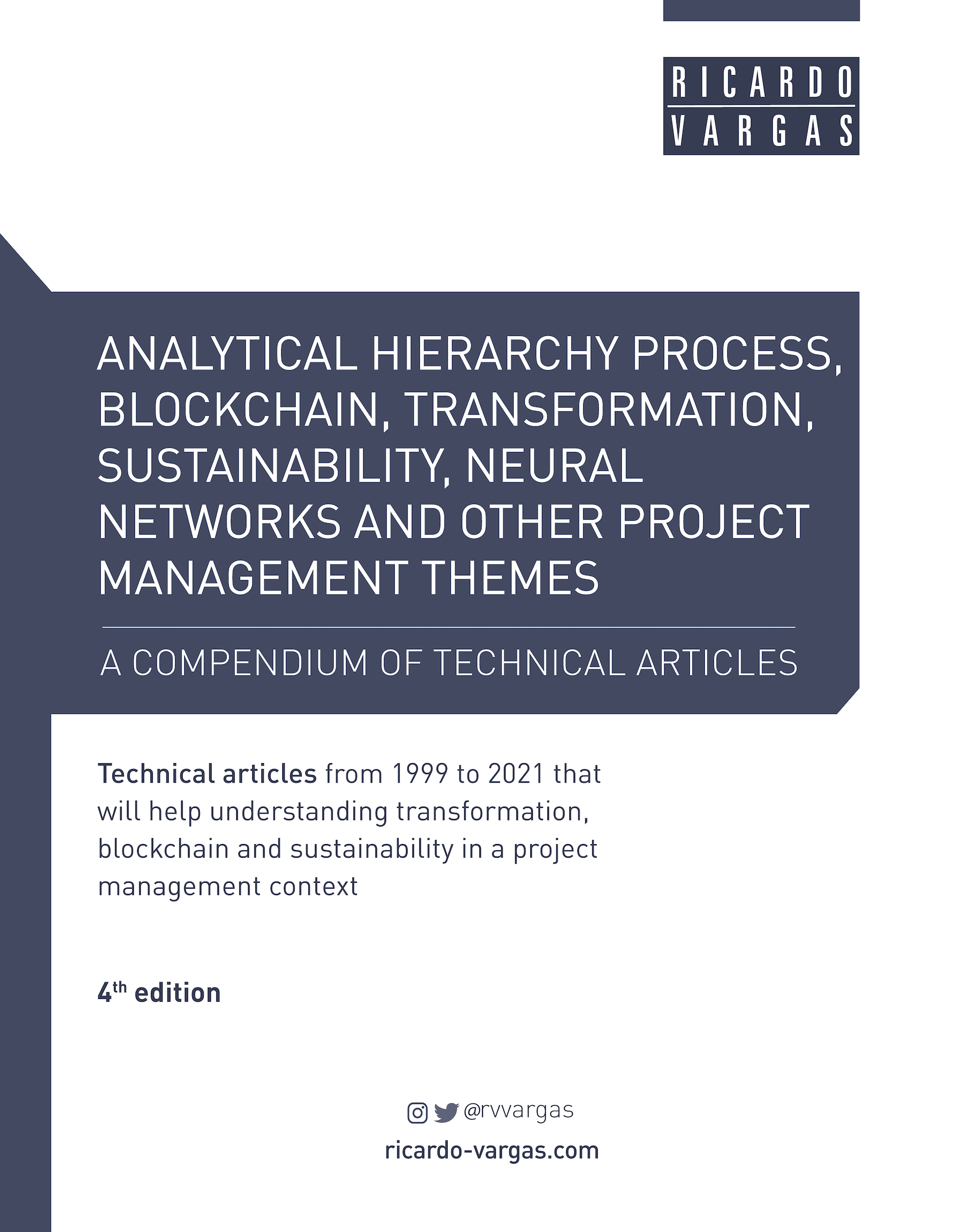
Presenting the fourth edition of the FREE compendium of Ricardo Vargas’s work, which brings twenty-six articles from 1999 to 2021 that will help you understand better transformation, project economy, blockchain and other topics.
In this week's episode, Ricardo explains the concept of Systems Thinking. He compares systems thinking with traditional analysis, where the system is broken down into smaller components to assess problems, impacts, and improvements. In Systems Thinking, the process is practically the opposite. The focus is not the components but the connection and interactions between them and their behavior over time.
In this episode, Ricardo addresses the current challenge of planning and executing projects in chaotic environments. He uses some of the concepts presented by Nassim Taleb in the book Antifragile to give you five tips to use in your projects today: developing options, proactivity and paranoia, flexibility, having your skin in the game, and getting energy out of failures.
This week, Ricardo Vargas continues the discussion about his experience of teach and learn project management using movies. See in the next 5 minutes more details about project management use in the movies. Verify other viewpoints of Ricardo Vargas and new conclusions about the examples presented in the movies. This podcast was recorded only in Brazilian Portuguese. The link below is for the Brazilian Portuguese version.